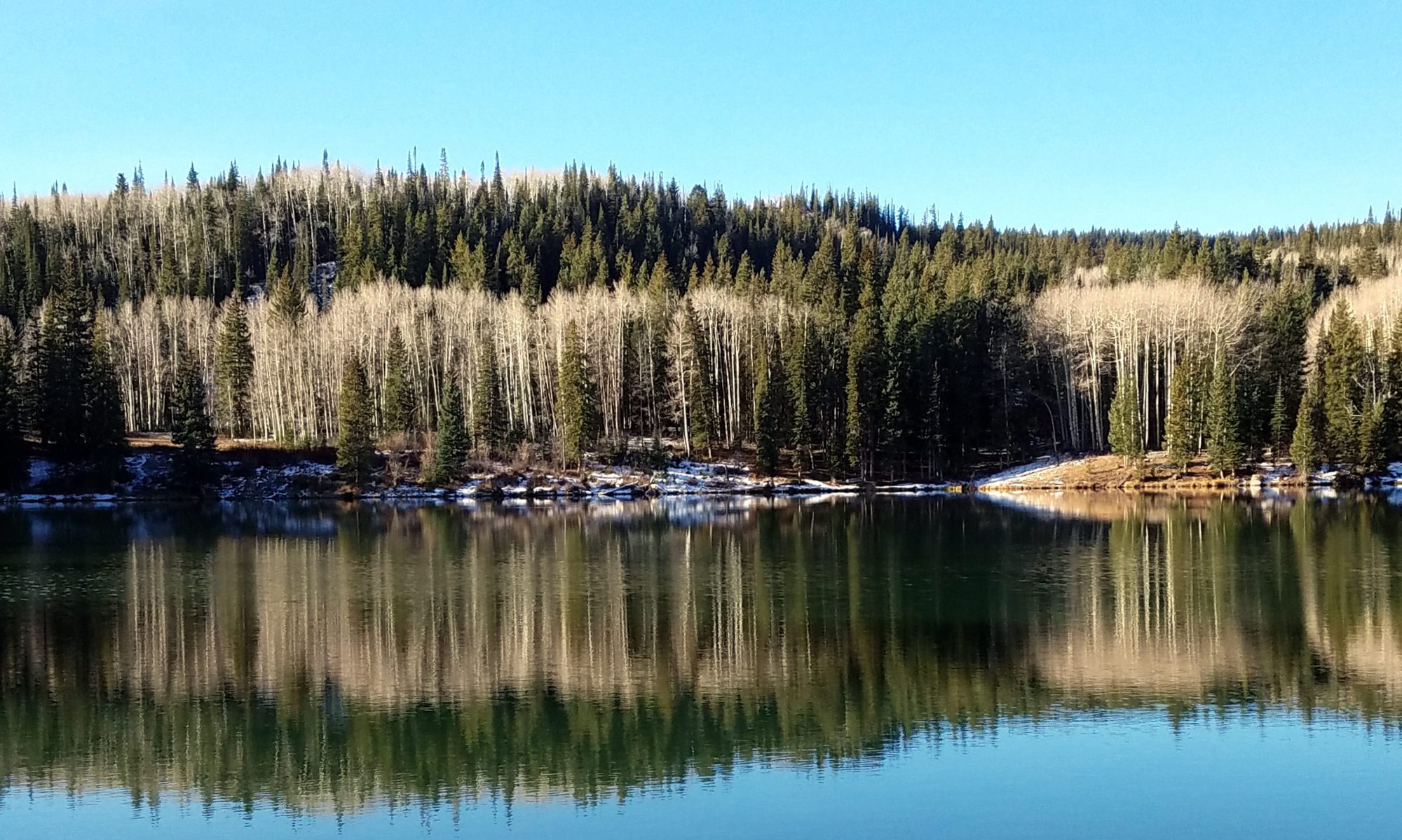
 Buried but not forgotten, I was asked today to join a panel to discuss one of the most painful events of my life. The purpose is noble: to help others understand pain, survival, and the hidden struggles people carry. We go through these stages to refine ourselves and become more human in our interactions with others.
We live in a broken world where pain is an inevitable part of our lives. Because we only know our own experiences, it is hard to imagine others going through the same thing. Our pain is unique to us.
John 16:33, “I have told you these things, so that in me you may have peace. In this world, you will have trouble. But take heart! I have overcome the world.”
Buried
What you have gone through prepares you to help others. It makes you relatable. It also gives you the experience to know that you can survive and thrive in a world that is doing its best to crush you. That is an important message to pass on.
But pain is pain. Much of it I have buried deep in the ground. I have even removed the headstone so I do not go back to revisit it. It is part of me. It influences decisions in subtle, subconscious ways. I don’t have to make friends with it. I need to understand it and find a way forward without letting it dictate my life. And I have.
Hebrews 13:5, “Never will I leave you; never will I forsake you.”
Now I have been asked to resurrect it. I have been asked to go deep into the woods and find the indentation in the ground marking its resting place. I must search for it. Remember where and why I buried it. Then I have to revive it, bring it back to life in front of others.
Resurrected
I don’t know how. I’ve gone over it and over it in my mind. How do I talk about something so personal without being condescending or glib? How do I keep from masking the hurt and shame while staying honest? No one, not even my closest and dearest friend, knows the whole story. Mostly to protect the other party, partly to protect myself.
I’m afraid I have no advice today except this. That day, the one that changed my life forever, was not a hard decision. It came naturally.
God said, “Do this,” and I did.
I think it saved a life.
But it cost me everything.
To the outside world, it was a failure on a grand scale. But to me, there was no plan “B”. I have never regretted it, and given the chance, I would do it again.
Isaiah 41:10, “So do not fear, for I am with you; do not be dismayed, for I am your God. I will strengthen you and help you; I will uphold you with my righteous right hand.”
Living
But there is a scar that runs deep. Every once in a while, I gently rub my hand over it to remind myself I am still alive. I have to do that because I am human, and until that changes, I will feel pain from time to time.
I have a God who has never abandoned me, even in the moments when I could not understand the cost. In my darkest hour, He is there. There is nothing I will ever go through that is a surprise to Him. And, if I allow, He will use it for my good.
2 Corinthians 12:9, “But he said to me, ‘My grace is sufficient for you, for my power is made perfect in weakness.’ Therefore, I will boast all the more gladly about my weaknesses, so that Christ’s power may rest on me.”
 Love, Loss, and What Remains. Sometimes, for reasons I don’t always understand, life doesn’t just disappoint—it crashes. Not the hardship we expect or prepare for, but the kind that divides everything into before and after. A moment arrives—a phone call, a diagnosis, a goodbye you didn’t know was final—and life as you knew it vanishes.
 When hope and depression share the same heart, Christ becomes essential. While I was in Kyrgyzstan, I had a conversation that stayed with me. A woman shared that her mother — a trained psychologist — is battling depression. What makes her situation more complicated is not just the illness itself but also the theology surrounding it. Some in their Christian community believe that a Christian should not experience depression. The reasoning seems straightforward: